AWS Certification Changes 2026: Exam Retirements, AI Paths, and Candidate Guide
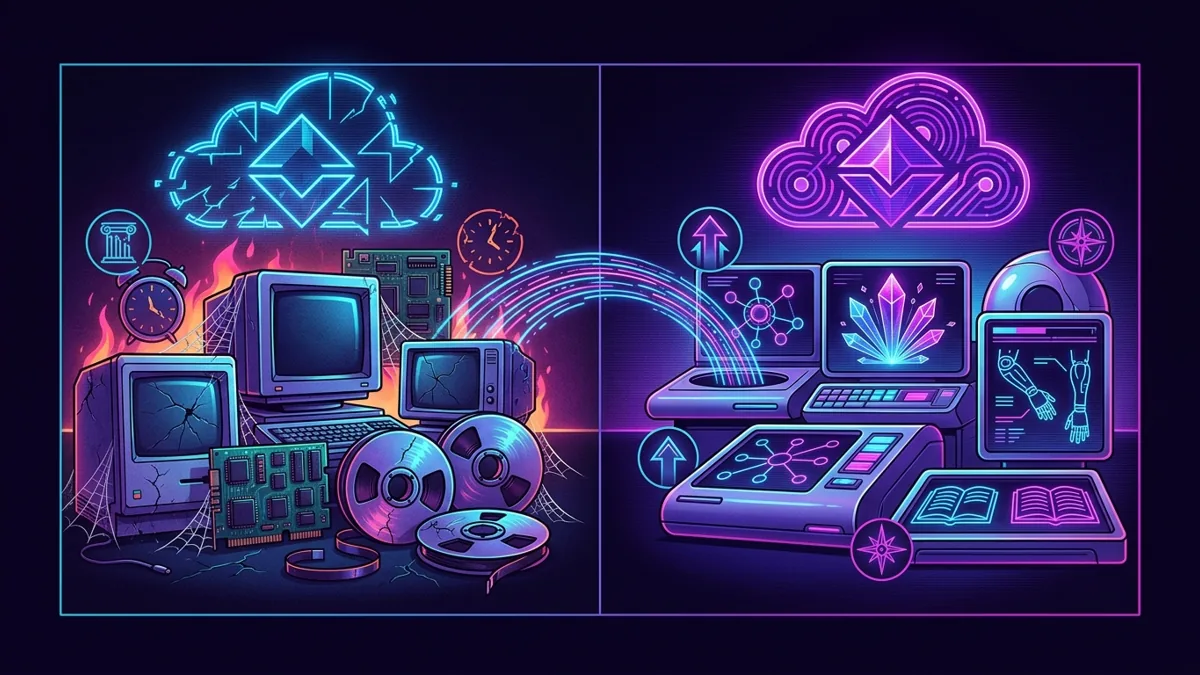
Amazon Web Services (AWS) has overhauled its certification catalog for 2026, phasing out legacy specialty exams while cementing generative artificial intelligence (AI) and machine learning (ML) into its core paths. For certification candidates, these changes represent a fundamental shift in how AWS validates technical competency.
Rather than testing isolated configuration tasks, the updated 2026 exams prioritize multi-service integration, modern data engineering, and the secure deployment of foundation models. Candidates planning their study roadmaps must adapt to these new exam structures to avoid preparing for retired credentials.
Key AWS Exam Updates for 2026
AWS has streamlined its certification portfolio to align with modern cloud-engineering roles. The most critical structural updates include:
- Retirement of Specialty Credentials: AWS has retired legacy specialty exams, including the AWS Certified Advanced Networking - Specialty and AWS Certified Database - Specialty. Advanced networking and database concepts are now integrated into associate- and professional-level exams.
- Standardization of the AI/ML Pathway: The AWS Certified AI Practitioner (AIF-C01) and the AWS Certified Machine Learning Engineer - Associate (MLA-C01) have officially transitioned from beta status to standard, core offerings.
- AI Integration in Core Exams: Traditional exams, such as the AWS Certified Solutions Architect – Associate (SAA-C03), now feature expanded domains covering generative AI services, specifically Amazon Bedrock, Amazon Q, and vector database integrations.
- Scenario-Based Troubleshooting: Exam questions have shifted away from simple service identification to complex, multi-step troubleshooting scenarios involving security, performance, and cost optimization.
Quiztudy Analysis: What This Means for Candidates
Quiztudy Analysis: While the inclusion of generative AI and the retirement of specialty exams may seem daunting, the core architectural foundation of AWS has not changed. Candidates should not panic. Traditional cloud fundamentals—such as Identity and Access Management (IAM), Virtual Private Cloud (VPC) networking, S3 security policies, and compute scaling—remain the bedrock of every exam.
>
AWS is treating AI as an additive layer, not a replacement. If you understand how to secure an EC2 instance or configure an API Gateway, you already possess the fundamental knowledge required to secure an Amazon Bedrock endpoint or manage data pipelines for a machine learning model. Focus first on mastering core cloud infrastructure before layering on specialized AI concepts.
Why Candidates Must Adjust Their Study Strategy
These updates directly change how exam questions must be analyzed. In previous exam cycles, a candidate might be asked to identify the most cost-effective storage class for archiving data. In the current 2026 exam environment, a typical scenario-based question will ask you to design a pipeline that ingests streaming IoT data via Amazon Kinesis, processes it using AWS Lambda, feeds it into an Amazon Bedrock model for anomaly detection, and archives the raw data under strict compliance rules.
To prepare effectively under these new guidelines, candidates should:
1. Prioritize Core Infrastructure First: Ensure complete mastery of VPC routing, IAM policy evaluation, and AWS Well-Architected design principles.
2. Incorporate Agentic and Generative AI Concepts: Study the integration of Large Language Models (LLMs), prompt engineering basics, and retrieval-augmented generation (RAG) using Amazon Bedrock.
3. Use Updated Study Materials: Verify that practice exams and study guides are aligned with the late-2025 and 2026 exam blueprints to avoid outdated specialty-level questions.
4. Focus on Hands-On Troubleshooting: Shift study habits from passive memorization to active scenario analysis, focusing on how services interact securely and cost-effectively.
Candidates must treat these updates as an opportunity to build more relevant, market-aligned skills. By focusing on how core services connect with emerging AI technologies, learners can ensure their credentials remain highly valuable to employers.
Sources:
1. AWS Training and Certification Portal: https://aws.amazon.com/certification/
2. AWS Blog on Training and Certification Updates: https://aws.amazon.com/blogs/training-and-certification/
3. CompTIA State of the Tech Workforce Report: https://www.comptia.org/content/research/state-of-the-tech-workforce
Google certifications (or AWS/Microsoft) are issued by their respective organizations, and Quiztudy is an independent practice platform.